"Hello Good Day:
My name is Magda Borzacchini, I live in France and I am the granddaughter of Baconin Borzacchini. Baconin Borzacchini had two children: Franco and Enzo. I am one of Enzo's children.
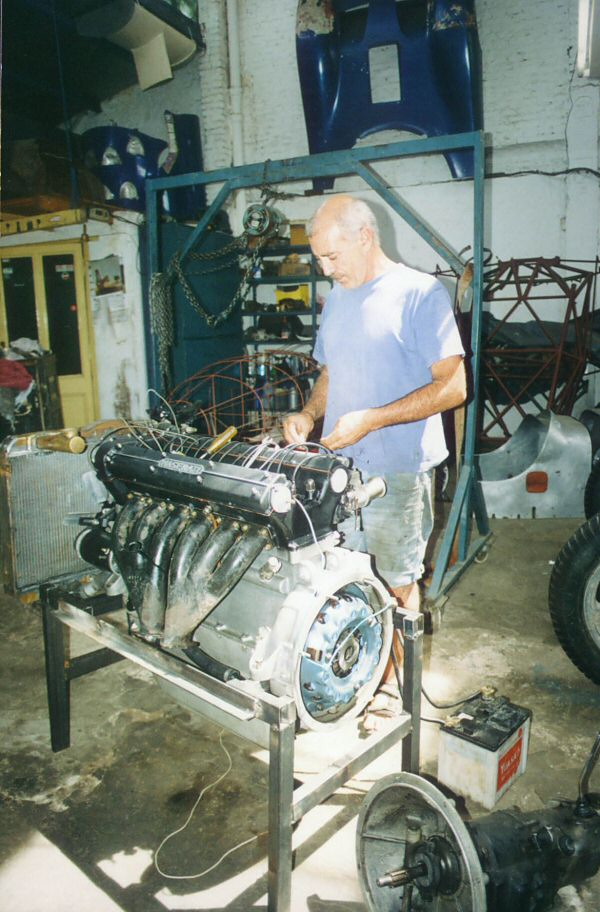
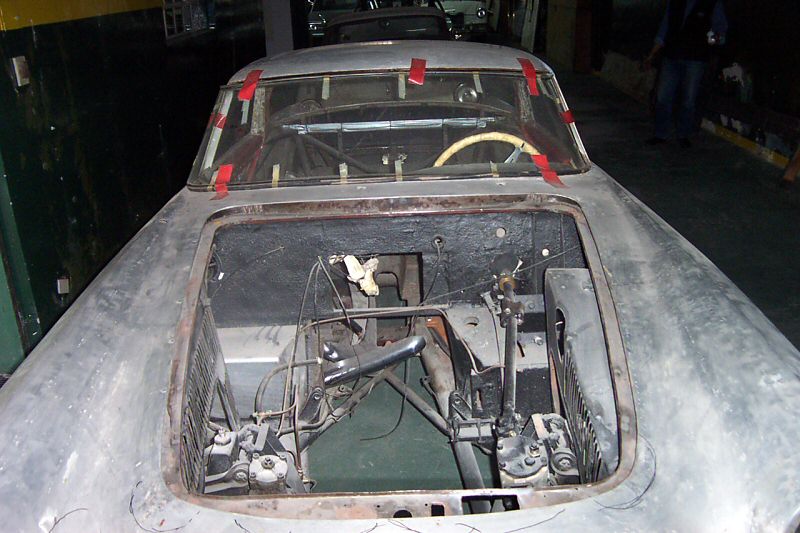
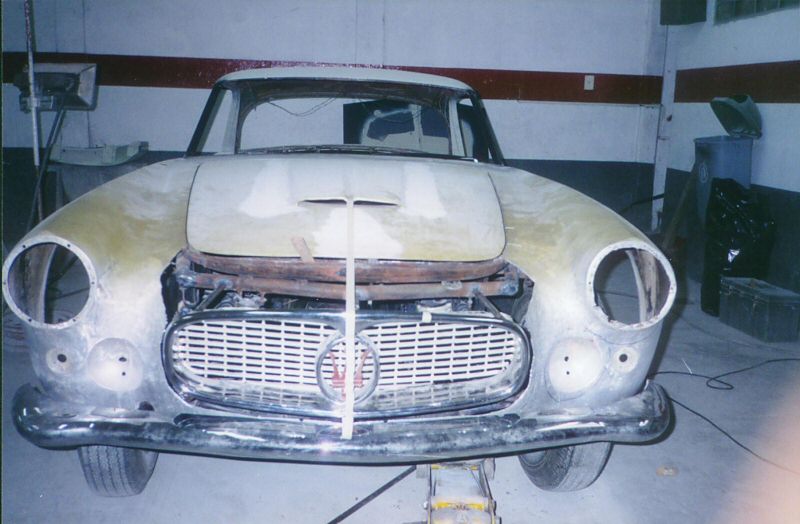
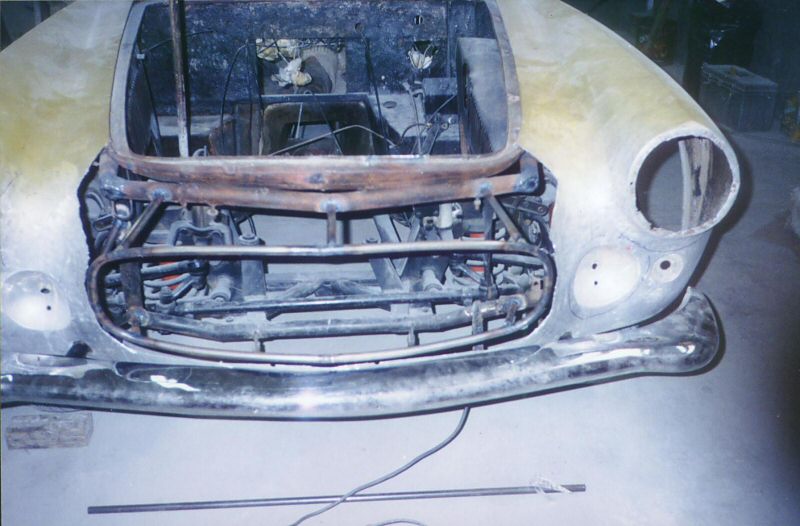
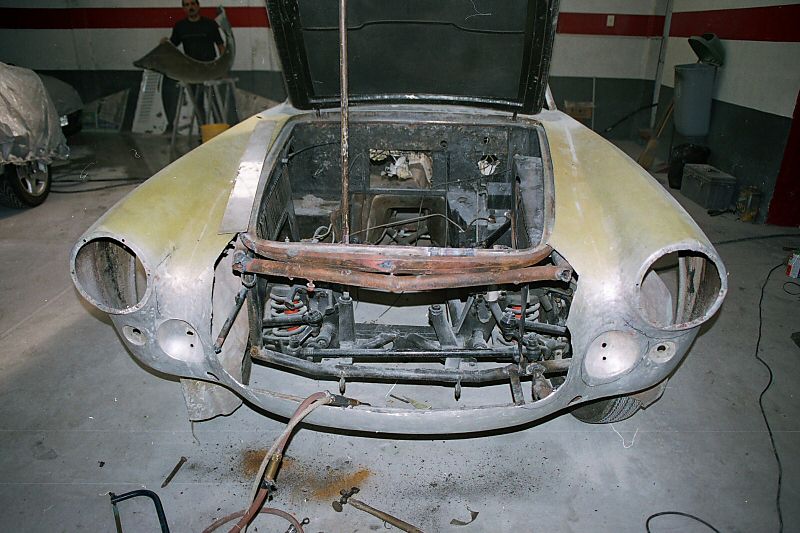
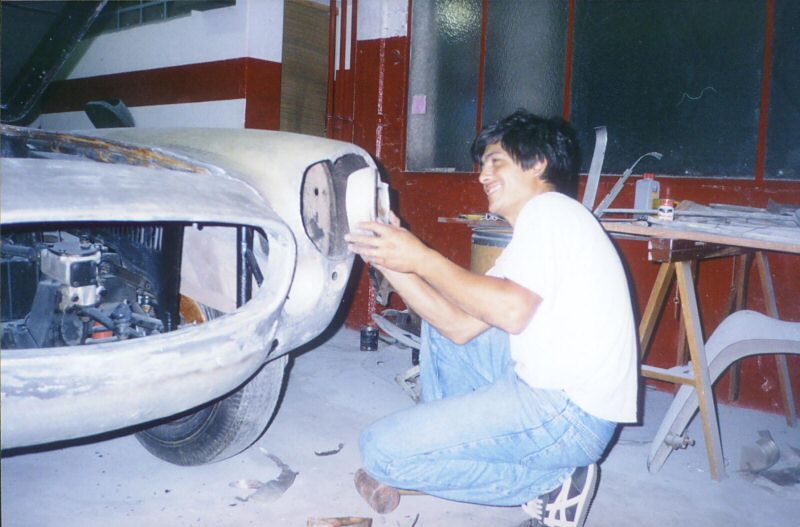
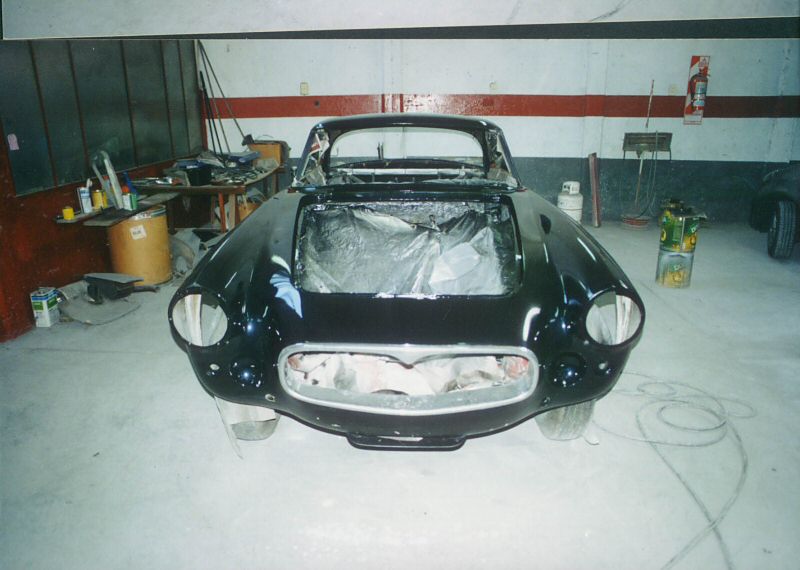
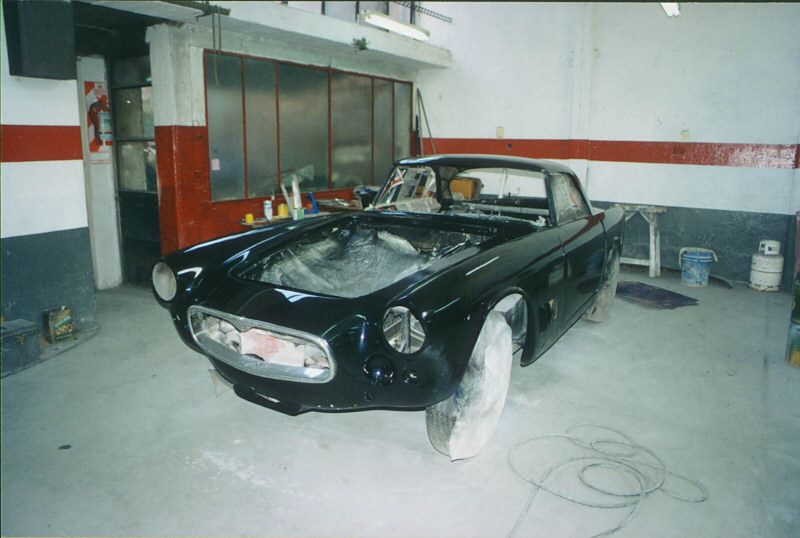
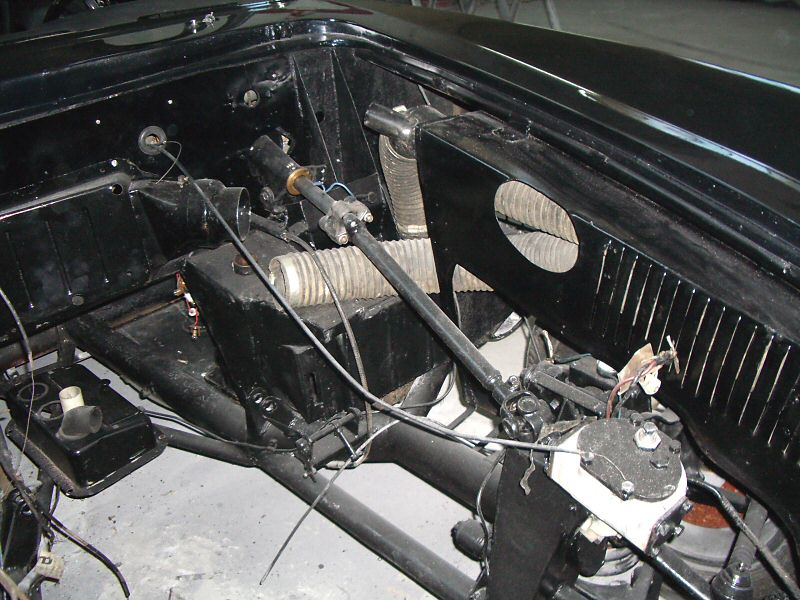
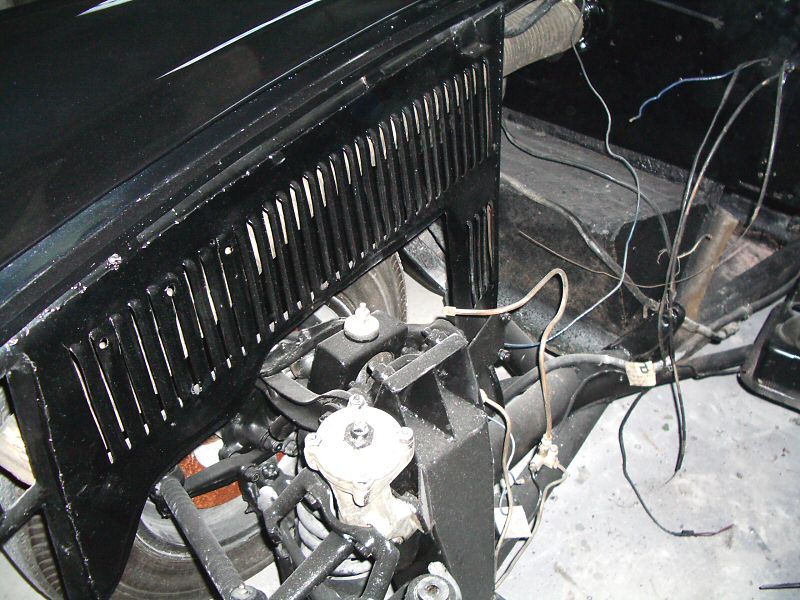
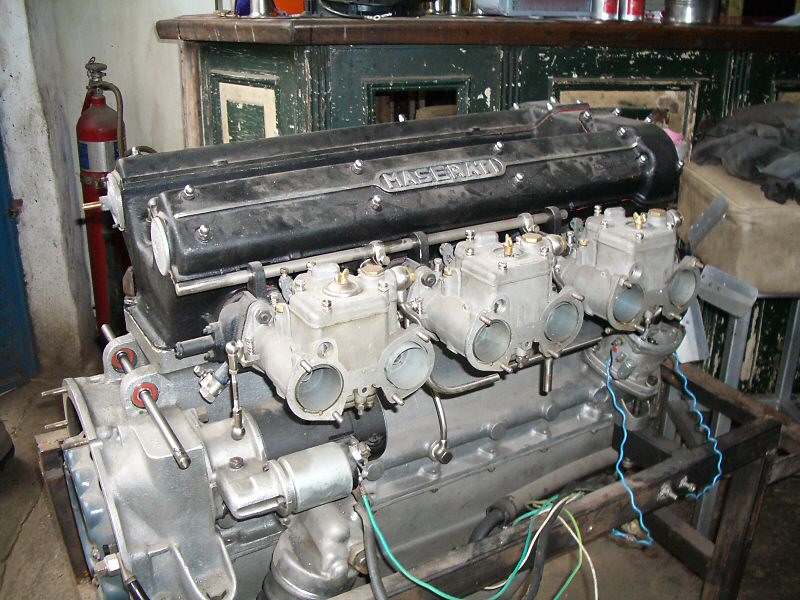
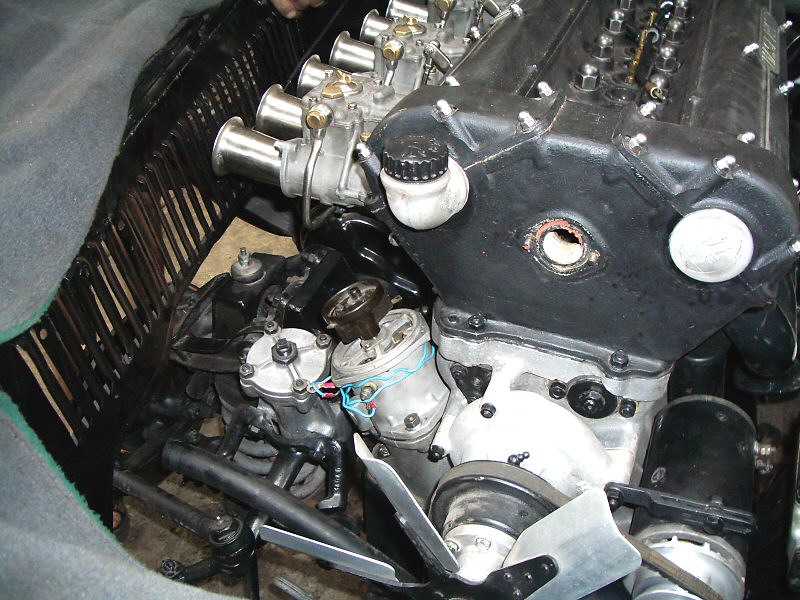
I enjoyed seeing the photos of the engine of one of the cars that my grandfather used to drive. If you are interested, I have a few family photographs that I could send you,
Thank you and greetings,
Magda." |
"Much appreciated Enrico,
I promise to write to you in English next time.
Thank you for your email, attached I am sending you some photos that I have of my father and my uncle with my grandfather Baconin. Another photo is of the wife of Baconin, my grandmother Maria with my father and his brother. And the third photo is of my grandfather with Enzo Ferrari in 1931.
Warmly,
Magda." |
"Enrico,
Attached are more photos from my computer. This photo was taken outside the museum in Terni in honour of my grandfather. In the photo I am with the president of the museum, my eldest daughter and my brother Enzo. Another of me next to a car participating in a race organised by the Automobile Club that is named after my grandfather. And the girls are my daughters, Florence and Lisa.
Greetings.
Bye,
Magda." |
| Baconino Francesco Domenico Borzacchini
Photo by kind permission of Maserati SpA
 Baconin Borzacchini at the wheel of the mighty Tipo V4.
Baconin Borzacchini, born September 28, 1898 - died September 10, 1933, was an Italian Grand Prix motor racing driver often referred to as Mario Umberto Borzacchini.
Born Baconino Francesco Domenico Borzacchini in Terni in the Umbria region of Italy, at age 14 he began working in a garage, training as a mechanic. After serving in the Italian army during the first World War, he began racing motorcycles before turning to motor racing in 1926. During the next two years he won six Italian hillclimbing events driving a Salmson. He earned victories at three significant Italian races including the Etna Cup at Catania and the 1100cc class at the 1926 and 1927 Targa Florio where he beat fellow up-and-comer, Luigi Fagioli. Borzacchini's success ultimately led to an offer to join the Maserati racing team, and driving for them, he won the 1927 "Terni-Passo della Somma" and the "Coppa della Collina Pistoiese." In 1928 he drove a Maserati to first place in the "Coppa Gallenga" hillclimb at Rocca di Papa.
On September 28, 1929, Baconin Borzacchini set a new flying 10 kilometre land speed record of 246.069 km/h (153 mph) in the 'Sedici Cilindri' Maserati Tipo V4. That same year, he finished second in the Circuito di Alessandria and in the Tripoli Grand Prix.
In 1930, under the repressive fascist regime of Italian dictator Benito Mussolini, Borzacchini was pressured into racing under the Italian name, Mario Umberto because at birth, his parents had given him the first name of a Russian social activist (Mikhail Bakunin) whom they had admired.
Maserati entered the 1930 Indianapolis 500. Designed with a swept-back aerodynamic front end, a radical innovation unheard of at the time but commonplace today, it was felt that Borzacchini had a good chance to capture the prestigious American event. Unfortunately, magneto problems forced him out of the race after just three laps. However, Borzacchini and his Maserati claimed victory at the 1930 Tripoli Grand Prix and won another hillclimb event, the "Pontedecimo-Giovi" at Genova.
In 1931 he signed to drive Alfa Romeos for Scuderia Ferrari where he became a great friend of team-mate Tazio Nuvolari. Although he won the Circuito di Avellino, Baconin Borzacchini's season was dogged by both bad luck and the brilliance of Nuvolari. He finished second at the Targa Florio, the Grand Prix of Monza, and the Italian, Belgian and French Grand Prix.
At the 1932 French Grand Prix and the Coppa Ciano, Borzacchini finished second behind Nuvolari and third at Germany's Großer Preis von Deutschland. However, with co-driver Amadeo Bignami, he won the gruelling Mille Miglia and wound up the 1932 season finishing second overall to Nuvolari for the European Drivers Championship. When Alfa Romeo decided to withdraw from racing after the 1932 season and sold its cars to Enzo Ferrari, Borzacchini rejoined the Maserati team. United with Luigi Fagioli and Giuseppe Campari, in March of 1933 he picked up where he had left off the previous year, finishing second to Nuvolari at the Grand Prix of Tunisia. In April he took another second at the Monaco Grand Prix, this time to the Bugatti of Achille Varzi and then earned a third place finish at the Avusrennen in Germany, also won by Varzi. At the 1933 Targa Florio, held at the Circuito Piccolo delle Madonie, Borzacchini set the pace with the fastest lap but an accident forced him out of the race.
The Italian Grand Prix held at the Autodromo Nazionale Monza on September 10, 1933, was one of the blackest days in Grand Prix racing history. Baconin Borzacchini was vying with his team-mate Giuseppe Campari for the lead when Campari's vehicle skidded in a sharp turn on a patch of leaked engine oil and crashed, killing him instantly. Immediately behind, Borzacchini tried unsuccessfully to avoid the wreck and he too was killed when his car veered off the track. After race officials restarted the event the third tragedy of the day occurred when the vehicle of Polish driver Count Stanislas Czaykowski crashed and caught on fire, burning him to death.
During his years of racing, Baconin Borzacchini participated in more than one hundred events. Although his number of victories is considerably less than some of the other Italian racing notables, he was much loved and respected by his countrymen. In his honour, the circuit in Magione in the Province of Perugia in Umbria not far from where he was born, was named the "Autodromo Mario Umberto Borzacchini."
Among the cars raced by Borzacchini during his all too brief but distinguished racing career were; the Ansaldo 4CS, Salmson GP and Salmson SS, FIAT 509, Bugatti 37A, Italia 65S, Alfa Romeo P2 and P3 and Alfa Romeo 6CM and 8CM, the Maserati 26B, Maserati 26R, Maserati 26MM and the Maserati Tipo V4.
Baconin Borzacchini was laid to rest in the local cemetery in his native Terni.
Text courtesy of Wikipedia®.
MUSEO DEL MOTORISMO TERNANO
MARIO UMBERTO BORZACCHINI E LIBERO LIBERATI
VIA BERTANI, 4 TERNI
The Borzacchini Historic, named in his honour, is open to the public on Tuesdays and Fridays ONLY between
17:00pm and 19:00pm.
Enthusiasts wishing to arrange a special 'out of hours' visit you should first contact the Club Borzacchini Historic or the Club Libero Liberati on +39 0744 420261. |